The Science Behind VibeBrux™
Science
VibeBrux™ — The First AI Powered Biofeedback Oral Wearable—The Missing Link in Health.
Understanding Bruxism
Bruxism is the rhythmic, subconscious grinding and clenching of teeth involving the masticatory muscles, regulated by the central nervous system and peripheral factors. Often triggered by anger, fear, stress, or teeth misalignment. This involuntary behavior can become a persistent habit, occurring while one is awake or asleep.
Sleep Bruxism (SB)
- Grinding and clenching during light sleep stages or transitions between sleep cycles, often unnoticed until symptoms arise or reported by a bed partner.
Awake Bruxism (AB)
- Occurs while awake, often triggered by stress, anxiety, or behavioral factors.
Breathing Irregularity and Its Overlap with Bruxism
Sleep bruxism and obstructive Breathing Irregularity (OSA) frequently coexist and are increasingly recognized as interconnected sleep-related conditions. Studies have shown that bruxism episodes often occur in close temporal association with breathing disturbances, oxygen desaturation, and sleep micro-arousals. In some individuals, jaw clenching or grinding may represent a reflexive neuromuscular response to airway obstruction, potentially serving as a mechanism to help reopen or stabilize the upper airway. This overlap is clinically important, as untreated Breathing Irregularity may worsen bruxism severity and contribute to fragmented sleep, increased sympathetic nervous system activity, jaw and facial pain, and long-term cardiovascular and dental complications. Understanding this relationship supports the need for integrated monitoring of both conditions to promote better sleep quality and overall health.
[1][1][2][2][3][3][4][4]
[1][1][2][2][3][3][4][4]
More Than Just Jaw Pain:
Health Impacts and Causes
Sleep bruxism, characterized by involuntary teeth grinding during sleep,
can stem from various factors and could lead to significant complications. High stress and anxiety levels, misaligned bites, and certain behavioral habits are notable contributors. Potential complications could include:
can stem from various factors and could lead to significant complications. High stress and anxiety levels, misaligned bites, and certain behavioral habits are notable contributors. Potential complications could include:

01
Tooth Wear
Grinding can erode enamel and damage teeth over time.
02
Temporomandibular Disorders (TMDs)
Orofacial pain and cracking in the jaw joint.
03
Headaches
Often caused by muscle tension from clenching.
04
Tinnitus
Ringing in the ear from prolonged jaw clenching.
05
Sleep Disruption
Noisy grinding can disturb both the individual and their bed partner.
06
Behavioral and Eating Issues
Linked to anxiety, stress from the chronic jaw and facial pain.
Biofeedback: Train Your Brain to Reduce Teeth Grinding
VibeBrux™ — The First AI Powered Biofeedback Oral Wearable—Unlocking the Mouth-Body Connection.
Biofeedback is an evidence-based behavioral approach that helps individuals become aware of—and gradually modify—physiological processes that typically occur without conscious control, such as jaw muscle activity during sleep. By detecting early signs of clenching or grinding and delivering a gentle, non-disruptive stimulus, biofeedback encourages the brain to interrupt harmful patterns before they escalate. Over time, this learning process can help reduce the frequency and intensity of bruxism episodes while supporting healthier neuromuscular behavior.Unlike traditional NightGuards, which primarily serve as a passive barrier to protect teeth from wear, biofeedback is designed to actively address the underlying habit of grinding or clenching. By repeatedly associating excessive muscle activity with subtle feedback, users can develop long-term awareness and behavioral adaptation—often referred to as a “learning effect.” This non-invasive approach has been shown in clinical research to reduce jaw muscle activity and improve bruxism-related symptoms, and may play an important role in comprehensive bruxism management when combined with dental and clinical oversight.
[1][1][2][2][3][3][4][4]
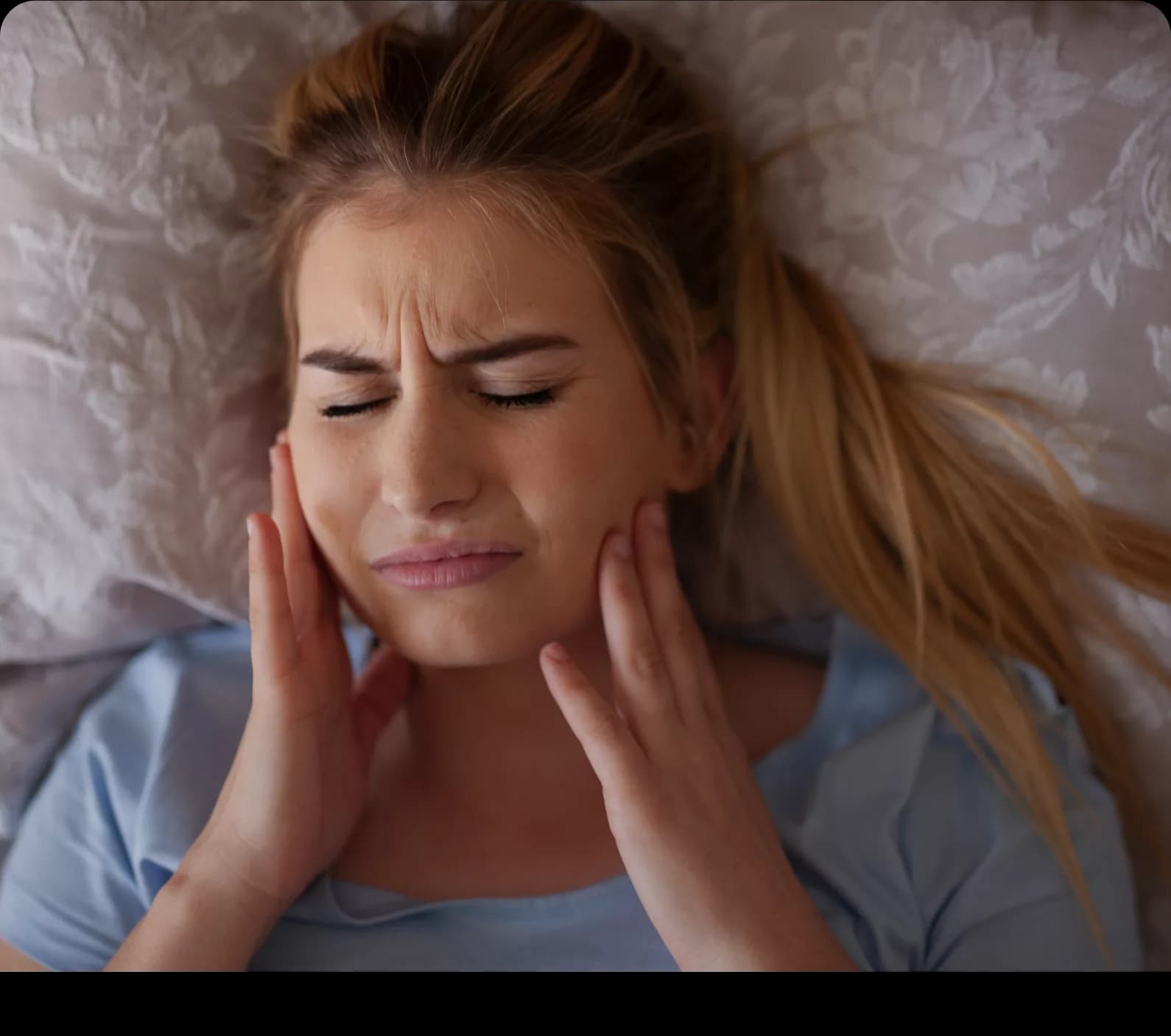
The Role of Early Detection and Management
Untreated sleep bruxism can cause significant damage to teeth and jaws. Early recognition and management are crucial to protect teeth and improve overall health. Dentists and doctors play a key role in diagnosing and treating bruxism. Current treatments, such as nightguards, protect teeth and alleviate symptoms but don‘t address the underlying cause or offer long-term monitoring and insights.
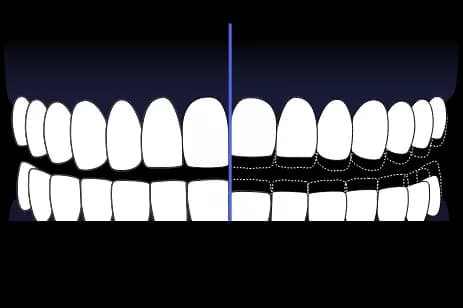
Where Science Meets Innovation: Smart Nightguard
and Wellness and Longevity Monitoring System
and Wellness and Longevity Monitoring System
Traditional marketed NightGuards are designed to protect teeth and alleviate symptoms. However, they don't address the underlying cause or provide long-term insights and monitoring.
VibeBrux™ — The Mouth-Body Connection is Real—We're the Missing Link.
VibeBrux™ is a PATENTED and PATENT PENDING smart NightGuard system with an FDA-approved NightGuard that is designed not only to protect teeth from wear but also to monitors bruxism, Breathing Irregularity, and vitals using biofeedback and app insights to improve sleep and health.Traditional Nightguard
 Protects teeth Reduces masticatory muscle pain
 Protects teeth Reduces masticatory muscle pain Monitors and collects bruxism data Shares collected information with a healthcare provider Improves overall health, wellness and longevity
How It Works
VibeBrux™ — The First AI Powered Biofeedback Oral Wearable Connecting the Mouth to the Body.
VibeBrux™ combines with an FDA-approved NightGuard to protect teeth from the effects of teeth grinding and jaw clenching (bruxism). It also collects data by monitoring bruxism event duration, frequency, force, and location that users can track in the connected app. This information can be shared with healthcare professionals to improve overall health, wellness and longevity that may be impacted by chronic bruxism complications such as jaw pain, headaches, tooth wear, etc.Key Benefits
Protecting Teeth
With an FDA-approved NightGuard
Collecting Data
By monitoring bruxism event duration, frequency, force, and location
Enhancing Treatment Insights
The collected bruxism event data can be shared with the user's healthcare provider

With this innovative system, we aim to improve the lives of users that suffer from teeth-grinding and jaw-clenching and empowering them with valuable insights on their unconscious oral habits.